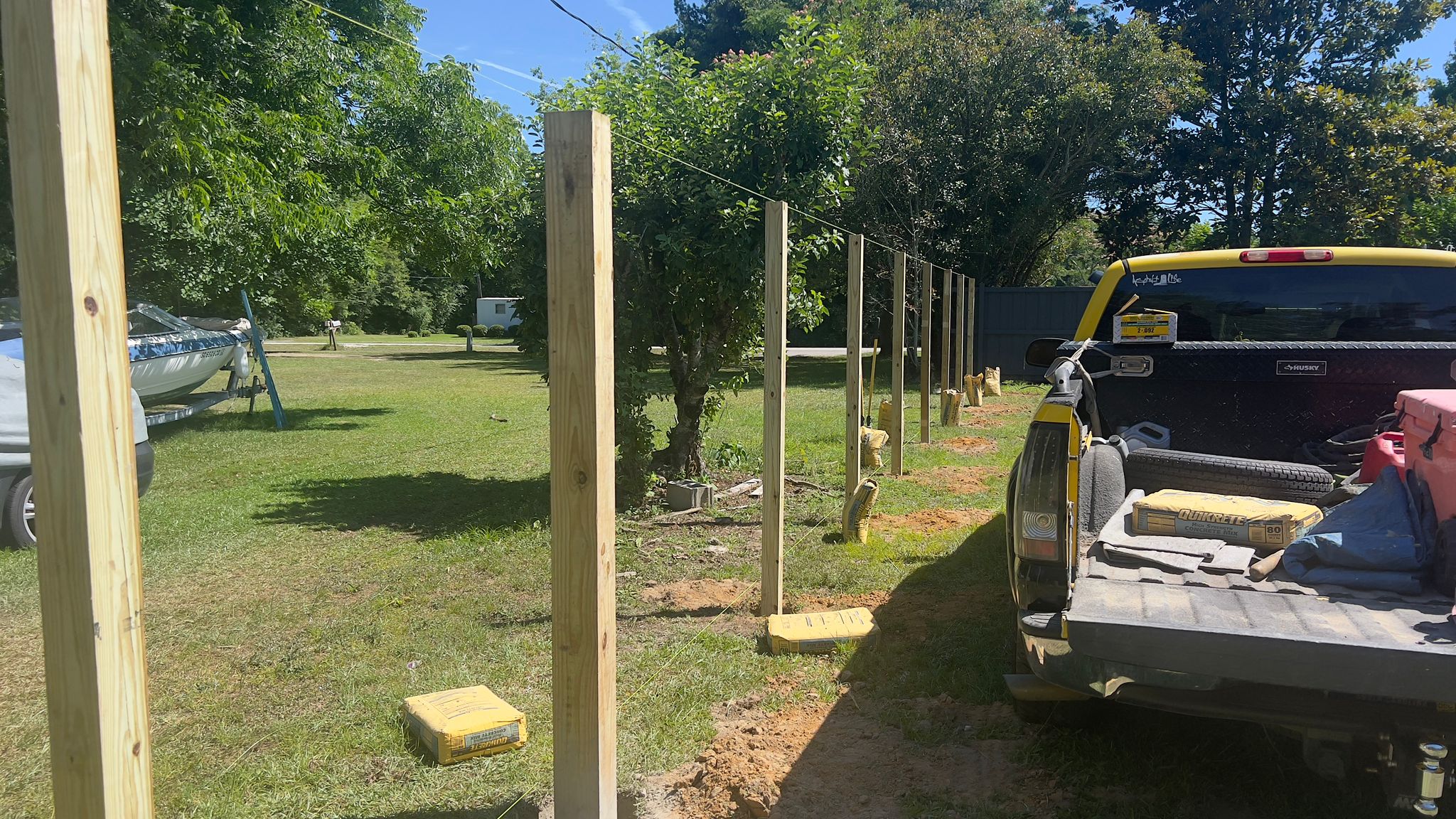
Building a Fence on a Slope: Challenges and Solutions
Installing a fence on a slope presents unique challenges that can complicate the process. Whether you are tackling a DIY project or hiring professionals, understanding these challenges and knowing the available solutions can make a significant difference in the outcome. In this post, we'll explore the various aspects of building a fence on a slope and provide you with practical solutions to ensure a successful installation.
Understanding the Challenges of Building a Fence on a Slope
When building a fence on a slope, several challenges can arise that may affect the installation process, aesthetics, and overall functionality. Here are some key challenges to consider:
- Uneven terrain can lead to difficulties in leveling the fence.
- Different heights may affect the fence's design and materials used.
- Soil erosion can compromise the stability of fence posts.
- Water drainage issues can arise, leading to further complications.
Types of Fences Suitable for Sloped Terrain
Not all fences are created equal, especially when it comes to sloped terrains. Here are some types of fences that work well on slopes:
- Racked Fences: These fences are designed with panels that follow the slope, maintaining a consistent height.
- Step Fences: Composed of individual panels that are stepped up or down the slope, creating a tiered effect.
- Horizontal Fences: Often mounted on a slight angle, they can accommodate various elevations without losing aesthetic appeal.
Solutions for Building a Fence on a Slope
To successfully install a fence on a slope, consider the following solutions:
- Hire a Professional: Experienced fence installers can assess your specific slope and recommend the best approach.
- Use Quality Materials: Choose durable materials that can withstand potential soil erosion and weather conditions.
- Implement Effective Drainage: Ensure proper drainage systems are in place to prevent water accumulation around fence posts.
- Plan for Maintenance: Regularly check the fence for stability and make necessary repairs to maintain its integrity.
DIY vs Hiring Professionals
Deciding whether to tackle the fence installation yourself or to hire professionals can significantly impact the end result. Here are some considerations for both options:
- DIY: Cost-effective, allows for personal customization, but requires time and manual labor.
- Hiring Professionals: Expertise ensures proper installation, saves time, and often includes warranties.
Planning Your Fence Installation
Effective planning is crucial for a successful fence installation on a slope. Here are steps to help you prepare:
- Assess the Slope: Measure the degree of the slope to determine the best fence type.
- Check Local Regulations: Ensure compliance with zoning laws and fence height restrictions.
- Create a Design Plan: Visualize how the fence will look on your property and decide on materials.
Conclusion
Building a fence on a slope may seem daunting, but with the right knowledge and resources, it can be a manageable task. By understanding the challenges, selecting the appropriate materials, and considering professional help, you can achieve a beautiful and functional fence that enhances your property. For assistance with your fencing needs, consider reaching out to Lopez Fence Services LLC to ensure a seamless installation tailored to your landscape.